Candy Cookies: A Playful Script Font for Editors
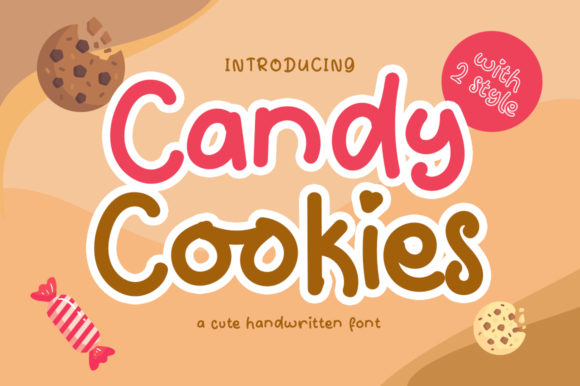
There is a specific kind of quiet satisfaction that comes from finding the right typeface for a project. It usually happens late in the afternoon, when the coffee has gone cold and the layout still feels slightly off. I was working on a redesign for a lifestyle blog focused on slow living and homemade treats, trying to strike a balance between professional polish and approachable warmth. The existing headers felt too rigid, too corporate for a brand built on comfort and creativity. That was when I stumbled upon Candy Cookies, a fun handwritten font that immediately shifted the mood of the entire page. As one of those versatile Fonts that bridge the gap between casual charm and design sophistication, it offered exactly the human touch the layout was missing.
Elevating Wedding Invitations with Candy Cookies Script Handwritten Style
The first place I tested this typeface was on a mock-up for a wedding guide feature. In editorial design, wedding content requires a delicate hand; it must feel celebratory without tipping into clutter. Candy Cookies excels here because its Script Handwritten aesthetic carries a natural rhythm. The letters flow into one another with a looseness that mimics actual penmanship, yet they remain distinct enough to be legible at smaller sizes. When used for wedding designs and invitations, the font adds a layer of personal intimacy. It suggests that the event is curated with care, much like the content itself. I found that using it for the couple’s names or the date created an instant focal point, drawing the eye before guiding it down to the finer details set in a clean serif. This interplay between the decorative and the functional is where Candy Cookies truly shines, proving that a playful font can still carry significant weight in formal contexts.
Creating Memorable Branding and Logos with Candy Cookies Fonts
Beyond single projects, I considered how this typeface would function as part of a broader brand identity. For small businesses, particularly those in the food, craft, or coaching sectors, the logo is often the first handshake with a potential client. Candy Cookies is a fun handwritten font that will elevate a wide range of design projects to the highest level, be it branding, headings, wedding designs, invitations, signatures, logos, labels, and more. In my test case, I applied it to a label design for a small-batch jam company. The rounded terminals and varying stroke widths gave the packaging a handmade, artisanal feel that stock photography alone could not achieve. When developing logos, it is crucial that the font remains recognizable even when scaled down for social media avatars or favicon use. Candy Cookies maintains its character well in these smaller formats, provided there is sufficient whitespace around it. This versatility makes it an excellent choice for entrepreneurs looking to establish a friendly, accessible brand voice through their visual assets.
Designing Engaging Headings for Blogs and Digital Magazines
In the world of digital publishing, attention is a scarce resource. Readers scan before they read, and headings are the signposts that guide them through the content. Using Candy Cookies for headings transforms a standard article into a visually engaging experience. I integrated the font into the header of a recipe ebook, where it served to break up long blocks of instructional text. The contrast between the fluid, organic shapes of the Script Handwritten title and the structured body copy created a pleasing visual hierarchy. It signaled to the reader that the content ahead was not just information, but an experience. For bloggers and newsletter writers, this distinction is vital. A generic sans-serif heading might convey clarity, but a display font like Candy Cookies conveys personality. It invites the reader to linger, to appreciate the aesthetic effort put into the presentation, which in turn increases the perceived value of the content itself.
Pairing Candy Cookies with Serif and Sans Serif Fonts for Readability
No font exists in a vacuum, and the success of Candy Cookies largely depends on what it is paired with. Because it is a display font with strong character, it should not be used for long-form body text. Instead, it thrives when supported by a neutral, highly readable counterpart. In my layout experiments, I paired it with a classic serif font for the main articles. The serif’s traditional structure grounded the whimsical nature of the script, creating a balanced composition that felt both modern and timeless. For more contemporary projects, such as a tech-focused newsletter or a minimalist planner, I found that a clean sans serif font worked equally well. The key is contrast. If the body font is too decorative, it competes with Candy Cookies; if it is too thin, it may disappear against the bold strokes of the script. By carefully selecting complementary Fonts, designers can ensure that the headline captures attention while the body copy ensures comprehension, resulting in a seamless reading experience across devices.
Practical Tips for Using Candy Cookies in Printables and PDFs
For creators who sell digital products, such as printable planners, coaching workbooks, or course PDFs, file quality and licensing are paramount. Before finalizing any design, it is essential to check the included styles, alternates, and ligatures within the font file. Candy Cookies offers a range of characters that allow for customization, enabling designers to avoid repetitive patterns in longer words. When exporting to PDF for print, ensuring that the font is embedded correctly prevents substitution issues that can ruin the layout. Additionally, considering multilingual support is important if the target audience is global. While Candy Cookies is primarily designed for English-speaking markets, understanding its character set helps in planning layouts that accommodate special characters or accents if needed. Ultimately, treating this font as a premium asset means respecting its limitations and leveraging its strengths. Whether used for signatures on a certificate, labels on a product line, or titles in a digital magazine, Candy Cookies provides the creative flexibility needed to produce high-quality, professional-grade design work that resonates with audiences on a personal level.